


27th October, 2026
By Anjali Kochhar
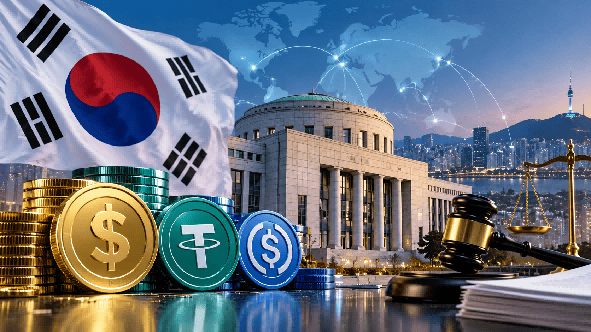
South Korea is preparing to introduce new regulations for stablecoins under its existing foreign exchange framework, marking another significant step toward strengthening oversight of digital assets. The Bank of Korea (BOK), alongside the government, plans to draft amendments to the Foreign Exchange Transactions Act before the end of 2026.
According to media reports, the proposed changes would classify stablecoins as payment instruments for foreign exchange regulatory purposes, bringing cross-border transactions involving these digital assets under closer government supervision. The initiative comes as South Korea continues developing a broader regulatory framework for its cryptocurrency industry.
Stablecoins to Face Stronger Cross-Border Oversight
The proposed amendment aims to address regulatory gaps surrounding international cryptocurrency transfers, particularly those involving stablecoins pegged to traditional currencies such as the US dollar.
Under the planned framework, stablecoin transactions could become subject to reporting requirements similar to those governing conventional international money transfers.
The central bank is also working on a monitoring system designed to track cross-border virtual asset movements through existing foreign exchange reporting infrastructure.
Authorities believe stronger supervision is necessary because cryptocurrency transactions can bypass traditional banking channels, potentially creating opportunities for money laundering, unauthorized capital transfers and other financial crimes.
However, recognizing stablecoins as payment instruments under foreign exchange legislation would not automatically grant them legal tender status in South Korea.
Digital Asset Legislation Remains Under Development
The regulatory initiative comes alongside South Korea’s proposed Digital Asset Basic Act, which seeks to establish comprehensive rules for cryptocurrency exchanges, stablecoin issuers and other digital asset businesses.
While the foreign exchange amendment would primarily address international payments and capital movements, the broader legislation is expected to introduce licensing requirements, issuance standards and investor protection measures.
Financial Services Commission Chairman Lee Eog-weon recently indicated that discussions surrounding the legislation were approaching completion, although a definitive introduction date remains uncertain.
Cryptocurrency Tax Debate Adds Pressure
South Korea’s regulatory developments also coincide with renewed discussions surrounding cryptocurrency taxation.
The country’s crypto income tax is currently scheduled to take effect on January 1, 2027, following multiple postponements. However, political leaders have called for further consideration of the implementation timeline.
The National Tax Service is expected to finalize its draft tax notice by October 30, adding another important deadline for cryptocurrency investors and businesses.
As South Korea moves toward a more structured digital asset environment, the proposed foreign exchange amendments could significantly influence how stablecoins are used for international payments.
The developments highlight the government’s efforts to balance financial innovation with regulatory transparency, monetary oversight and protection against illicit financial activities.
