


7th August 2026
By Anjali Kochhar
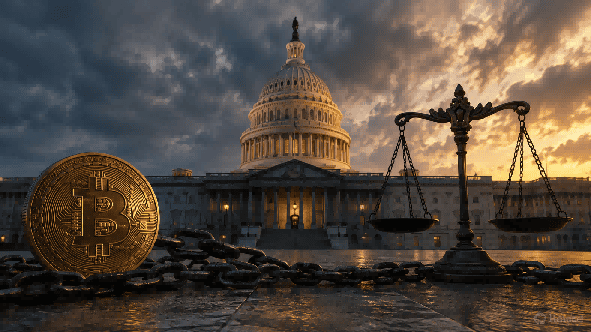
The future of the United States’ landmark cryptocurrency legislation, the Digital Asset Market Clarity (CLARITY) Act, has become increasingly uncertain as lawmakers head toward the Senate’s summer recess without scheduling a key procedural vote. The delay has intensified concerns that political disagreements over ethics provisions could derail one of the most significant crypto regulatory reforms in recent years.
What Is the CLARITY Act?
The CLARITY Act aims to establish a comprehensive regulatory framework for digital assets by defining the respective roles of the Securities and Exchange Commission (SEC) and the Commodity Futures Trading Commission (CFTC). Supporters argue that the legislation would provide long-awaited legal certainty for crypto businesses, investors, and financial institutions operating in the United States.
However, despite broad industry backing, the bill remains stalled in the Senate. The absence of a scheduled cloture vote before lawmakers leave for their month-long August recess has significantly reduced the chances of the legislation advancing in the near term. Without Senate action, the proposal may face further delays as Congress shifts its attention toward the upcoming midterm elections.
How Are Crypto Ethics Rules Delaying the CLARITY Act?
One of the biggest obstacles remains disagreement over ethics rules involving public officials and their connections to cryptocurrency ventures. Several Democratic lawmakers have pushed for stronger safeguards that would prevent senior government officials from financially benefiting from digital asset projects while shaping crypto policy. Critics argue that the White House has yet to provide sufficient support for stronger ethics provisions, creating a major roadblock in bipartisan negotiations.
If the CLARITY Act ultimately fails, analysts believe U.S. regulators could move ahead with their own rulemaking instead of waiting for Congress. The SEC and CFTC have already outlined plans to expand oversight of digital assets through administrative actions, although such regulations could be revised by future administrations more easily than legislation passed by Congress.
Meanwhile, the cryptocurrency industry continues to invest heavily in Washington. Political action committees backed by major crypto firms have committed substantial funding to support candidates who favor clearer digital asset regulations, highlighting the growing political influence of the sector.
What Happens Next for the CLARITY Act?
With time running short before the Senate recess, the coming weeks are expected to determine whether the CLARITY Act can regain momentum or whether the United States’ effort to establish a lasting federal crypto framework will be postponed once again.
